Loneliness and the Slow Work of Community
Contributor: Elizabeth Betrous
The headlines haven’t changed: the loneliness epidemic continues to rage on. Social distancing may be relegated to the pandemic era, but the feelings of disconnection and dissatisfaction remain even as we’ve returned to our workplaces, schools, social gatherings, and congregations. It begs the question, if we’re all back in our place, why does the person sitting next to me still feel so distant?
It’s important to distinguish that social isolation and loneliness are not synonymous. Social isolation describes the amount of social contacts one has through participation in groups, memberships, roles, etc. The other is an internal experience: the empty feeling that one’s need for connection, belonging, and support is unmet. A person can be socially busy and deeply lonely, or vice versa, spend a lot of time alone perfectly at ease.
Our well being is shaped not only by the presence of other people, but by the quality of the relationships we find ourselves in - whether someone feels seen, understood, and supported. All humans have the universal need to belong, but what kinds of conditions make healthy connection possible?
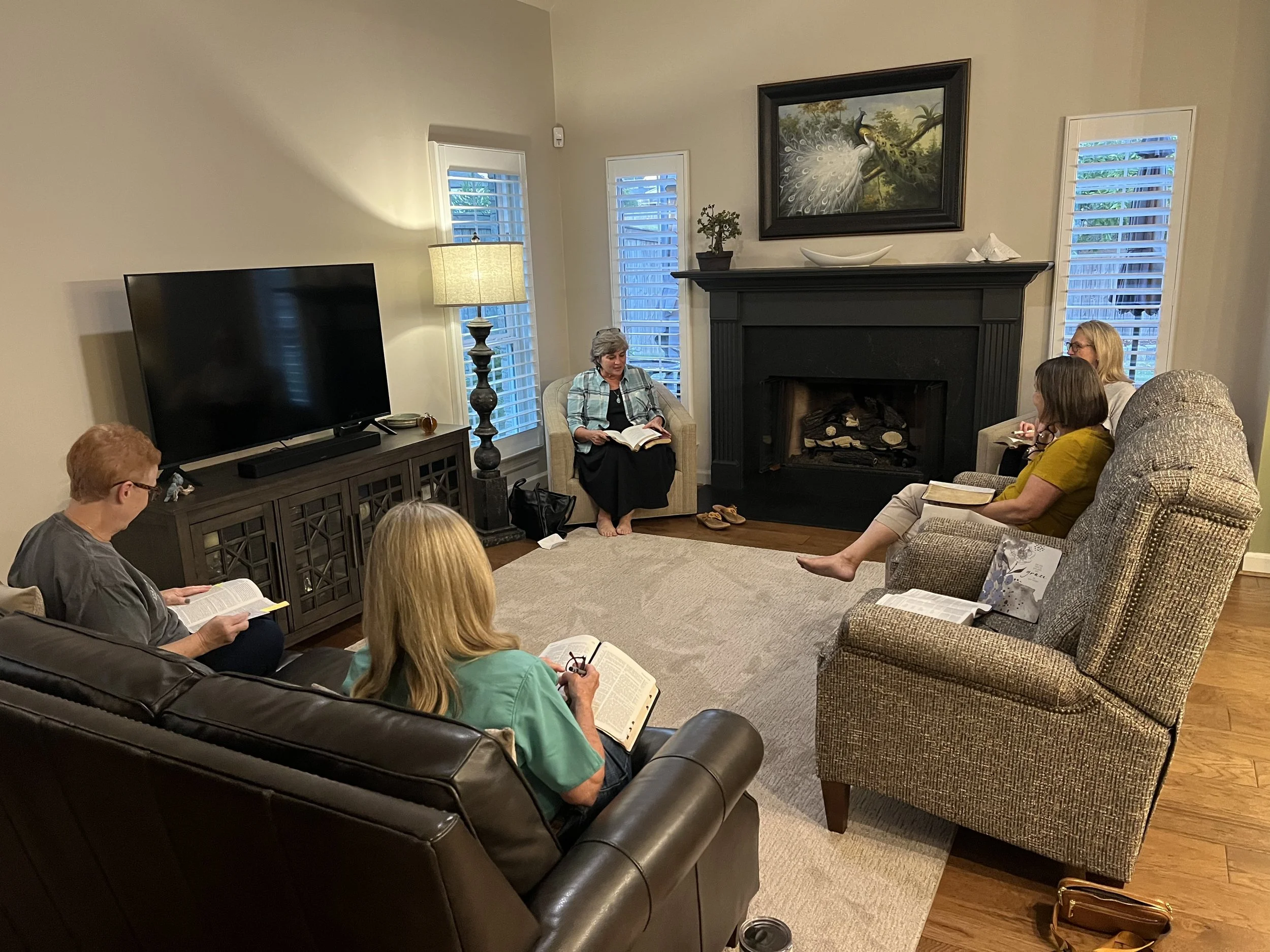
The reality of isolation is that coming out of it may require starting at the very beginning: accepting one invitation, choosing to return to a familiar place, learning someone else’s name. We may deeply want to be known while also feeling an instinct to withdraw or defend ourselves when revealing a need for connection. That tension does not mean a person is incapable of community or relationships - it simply means we are building the foundations of trust.
Relationships and communities that are worthy of trust are not defined by perfection; in fact, sometimes they ask awkward questions, forget things, and even misunderstand or offend you. Healthy communities instead practice consistency and accountability in their interactions. They have a reason for gathering, share values that shape individual lives, and have a way to respond when people inevitably make mistakes.
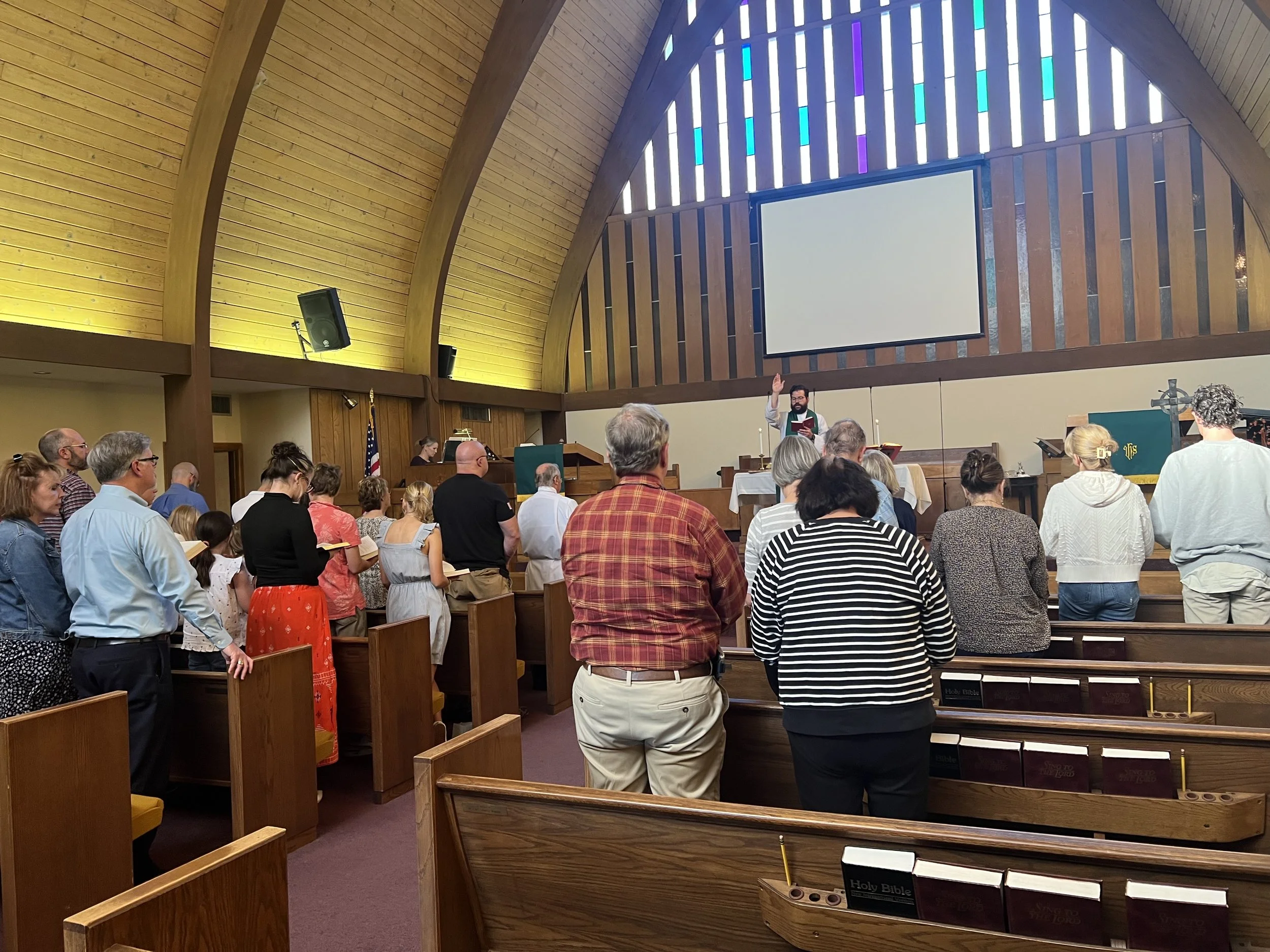
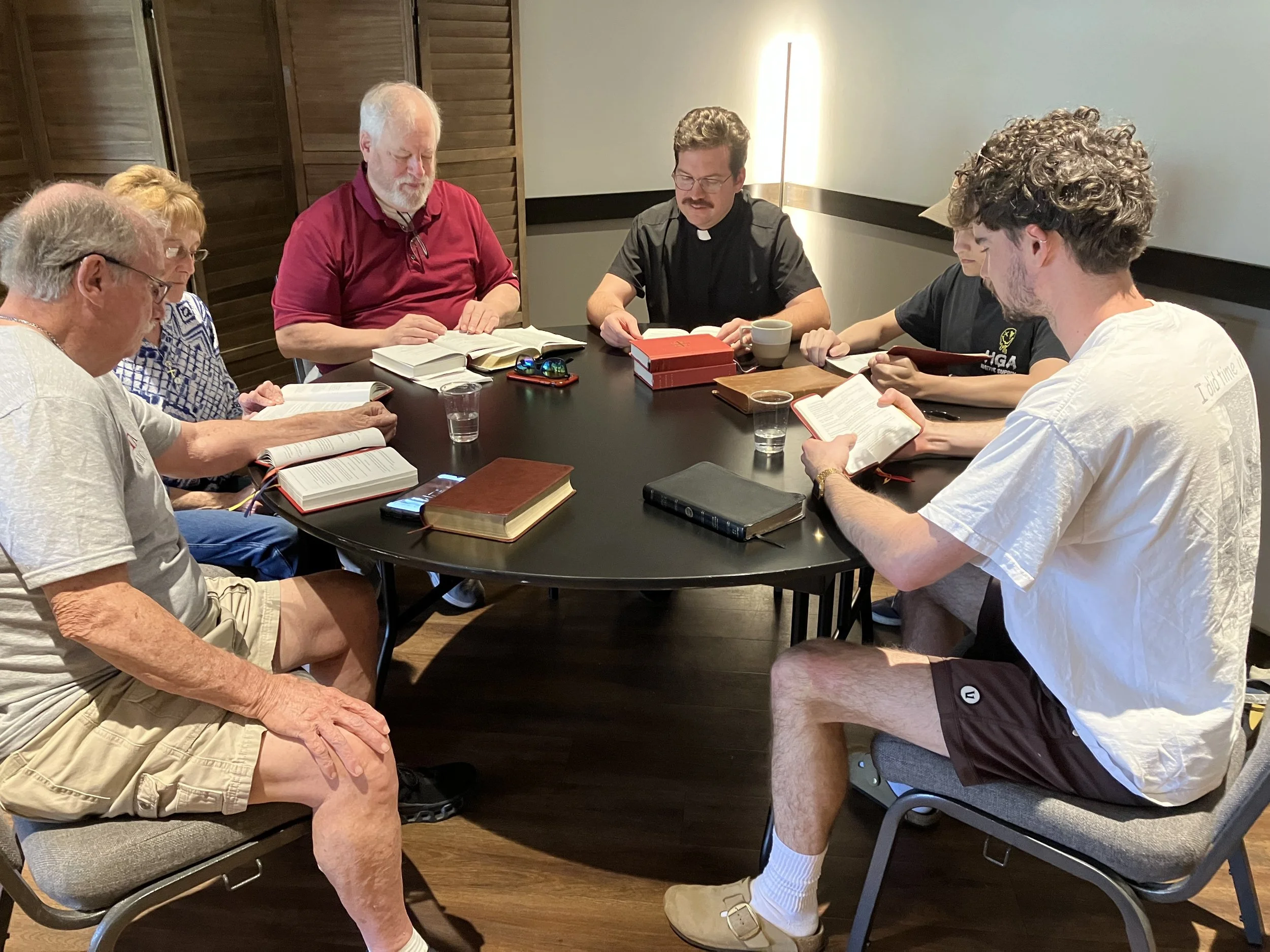
For Christians, the church offers this kind of framework. Scripture reminds believers both why they gather and what it looks like when we interact (Hebrews 10:24-25, Philippians 2:1-4). In addition, a liturgical, historically-rooted service creates a common language and regular rhythms for the congregation to join in with. These repeated acts of worship allow for familiarity and cohesion, and it can provide a stable place from which relationships can grow.
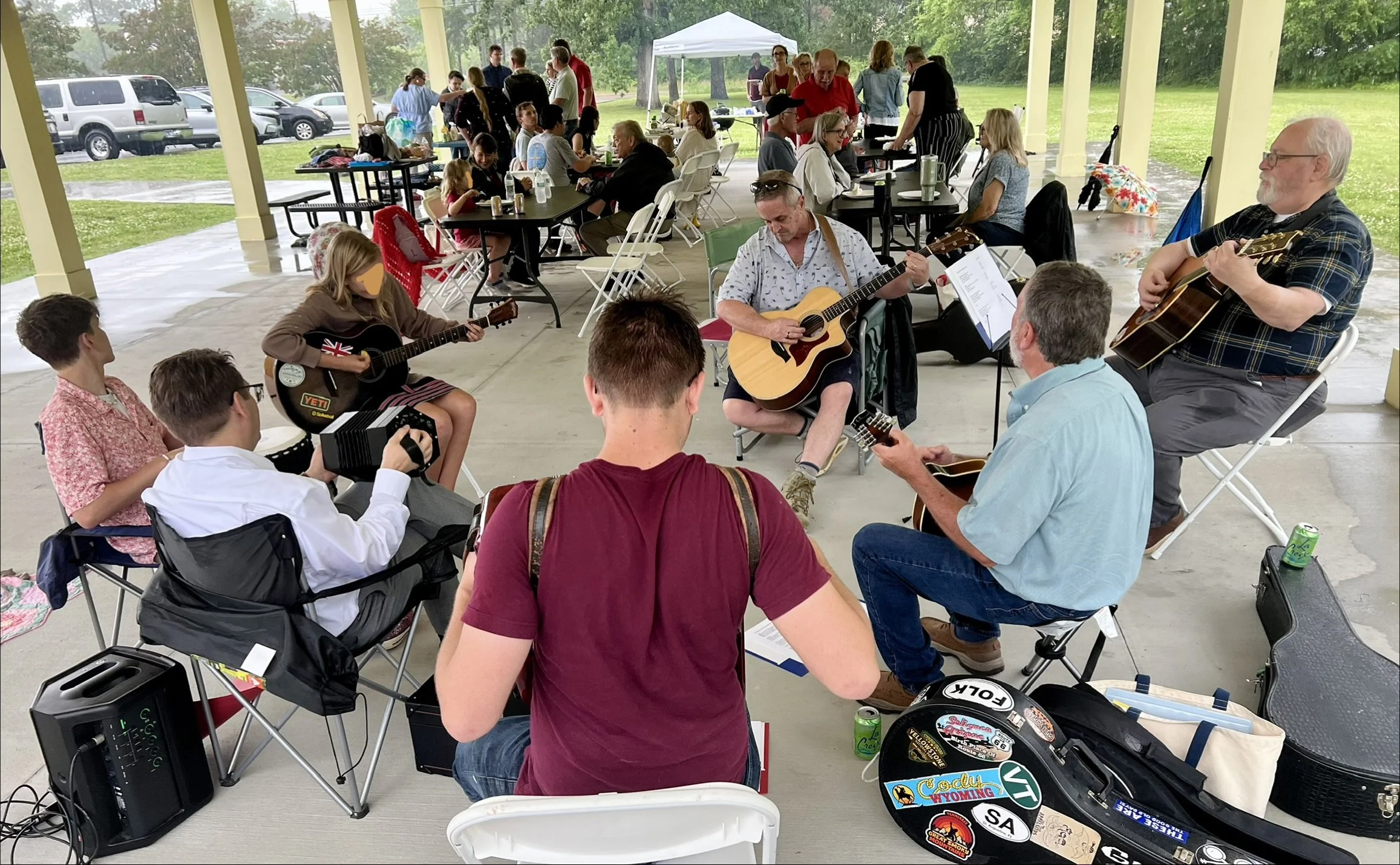
People look to fellow humans to create the conditions of belonging; Christians, furthermore, have a practice in place for communal life.The goal is not to acquire an enormous social circle or to find instant intimacy when breaking out of isolation - it’s to establish a foundation for continued growth. And growth occurs with time and repetition; this is what helps move our relationships from recognition, to trust, to mutual support. The invitation is to seek out and help cultivate a gathering where we can be treated with dignity, welcomed to participate, and gradually become known - needs and all.
A Nationally Certified Counselor (NCC) and licensed mental health counselor in the state of Tennessee (LPC-A), Elizabeth Betrous earned a master’s degree in Clinical Mental Health Counseling with a Trauma Certificate from Wheaton College in 2026. She also completed degrees in Psychology and Music Performance from the University of Memphis in 2023. You can find her at https://www.scoutcounseling.com/elizabeth-betrous.